Time in a Cask: The Philosophy of Knowing When a Spirit Is Ready
There is a persistent myth in the world of spirits — one that has been polished to a shine by marketing departments and repeated so often it has come to feel like fact. The myth is this: older is better. The longer a spirit rests in oak, the more distinguished it becomes. Age, in this telling, is the ultimate measure of quality.
At Derbyshire Distillery, we respectfully disagree.
Our master blender, who has spent the better part of two decades studying how spirit evolves within the cask, maintains a well-worn notebook — not a spreadsheet, not a digital dashboard, but a physical ledger filled with observations, dates, tasting notes, and seasonal annotations. It is, in many respects, the most important document in the building. And what it records, above all else, is not time. It records readiness.
The Problem with the Clock
The instinct to measure maturation in years is understandable. Years are legible. They appear on labels, they invite comparison, and they carry an implicit promise of complexity. But a spirit aged for eight years in the wrong conditions, or drawn from a cask that peaked at five, is not a better spirit for having waited longer. It is simply an older one — and quite possibly a diminished one.
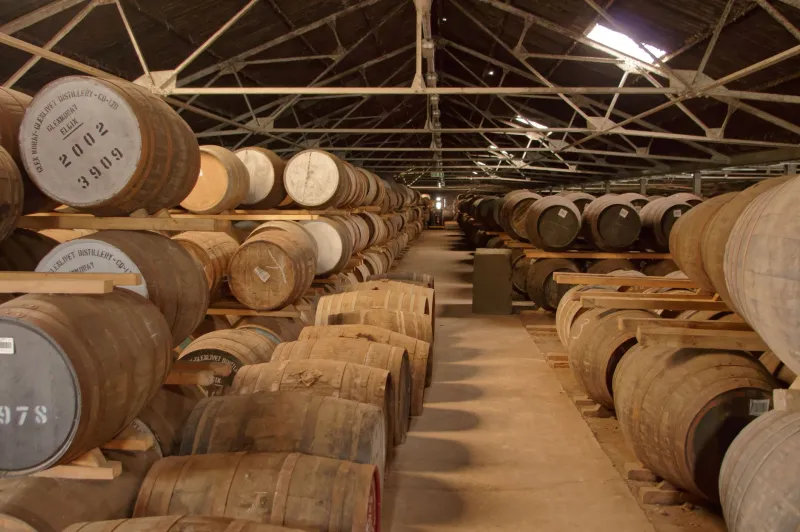
Cask maturation is a conversation between the spirit and its environment. The wood breathes. Temperatures shift. Humidity fluctuates. In Derbyshire, where the climate is shaped by the moorland and limestone plateau of the Peak District, those fluctuations are particularly pronounced. Winter brings a cold that contracts the wood and slows extraction; summer warmth opens the grain and accelerates interaction. A spirit maturing through a Derbyshire winter is having an entirely different experience to one resting in a heated warehouse in a more temperate county.
Our master blender accounts for all of this — not through algorithm, but through accumulated observation.
What the Notebook Records
Each cask at Derbyshire Distillery is visited regularly and tasted at intervals that are determined not by schedule but by the season and the spirit's trajectory. The notebook captures not just flavour — though tasting notes are recorded in considerable detail — but context. What was the weather in the preceding fortnight? Was the summer unusually dry? Did a cold snap arrive earlier than expected?
These annotations might seem tangential, but they are essential. A spirit that has endured a long, wet autumn followed by a sharp early frost will carry different characteristics to one that matured through a mild, dry season. The master blender's role is to understand what those conditions have produced and to judge whether that result is aligned with our house style or whether the cask requires more time — or, crucially, less.
The willingness to bottle a spirit before it reaches a certain arbitrary age is, in our view, as important as the willingness to wait. There are whiskies and aged gins in our portfolio that were drawn from cask earlier than convention might suggest, because the flavour was right. The spirit had arrived. To leave it longer would have been to allow the oak to overwhelm what the distillery had carefully created.
Intuition as a Professional Instrument
It would be easy to frame this approach as romantic — the lone craftsman, guided by instinct rather than data. But that framing misses the rigour involved. Intuition, in the context of professional blending, is not guesswork. It is pattern recognition developed over thousands of tasting sessions, cross-referenced with environmental records and refined through repeated trial.
When our master blender lifts a sample from a cask and holds it to the light, the assessment that follows draws on a vast internal archive. The colour tells a story about extraction rates. The nose reveals whether the spirit is still integrating or has reached a state of harmony. The palate confirms or complicates what the nose suggested. All of this happens quickly, but none of it happens carelessly.
The notebook is where intuition is made accountable. It is where the blender's instincts are tested against outcomes — where a prediction recorded six months ago is revisited and evaluated. Over time, this creates a feedback loop that sharpens judgement and deepens understanding of how our specific spirits behave in our specific environment.
Defining the Derbyshire House Style
Every distillery that takes its craft seriously develops what might be called a house style — a set of flavour characteristics that recur across the range and that, taken together, constitute the distillery's identity. At Derbyshire Distillery, that style is shaped by several deliberate choices.
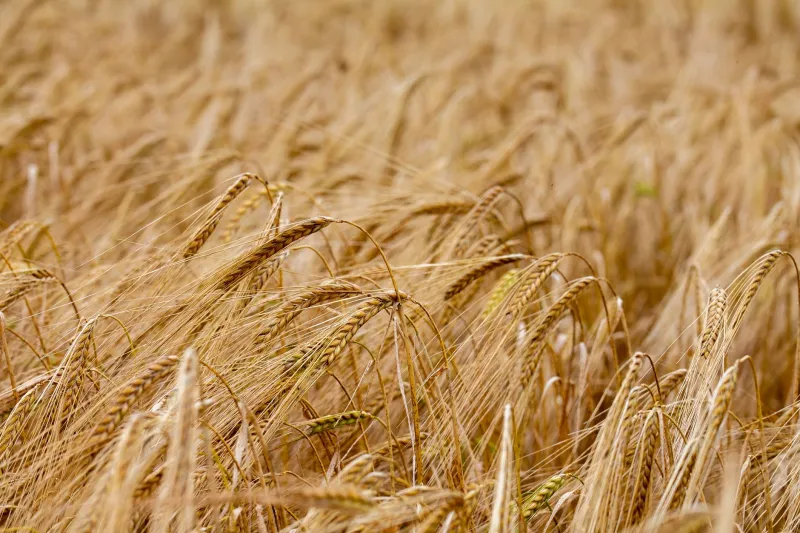
We favour casks that contribute structure without dominance. We seek spirits that carry the character of their raw ingredients — the local grain, the Peak District water — rather than spirits that have been transformed entirely by the wood. This means we are often working against the cask, managing its influence rather than surrendering to it. It means we bottle at moments that preserve brightness and botanical clarity, even when the spirit might have continued to develop.
Cask selection is therefore as significant as maturation duration. The provenance, previous contents, and size of each cask all influence the rate and nature of interaction. Smaller casks accelerate maturation but can also overwhelm; larger casks allow for a slower, more nuanced exchange. We use both, and the notebook tracks how each responds across the seasons.
Patience as a Discipline, Not a Virtue
When we speak of patience in the context of craft distilling, we do not mean passive waiting. We mean the discipline to resist the commercial pressure to release a spirit before it is ready, and equally, the discipline to resist the romantic pressure to hold a spirit beyond its peak simply because age carries prestige.
Both failures — releasing too early and holding too long — result in spirits that do not represent the distillery at its best. The master blender's notebook exists precisely to guard against both.
At Derbyshire Distillery, the goal is never the oldest spirit or the youngest. It is the right spirit — the one that, when poured into a glass, carries the full expression of everything that has gone into its making: the grain, the water, the botanicals, the wood, and the climate of the place in which it was made. That is what we are working towards with every cask we assess, every note we record, and every decision we make about when, precisely, the time has come.